From Sandra
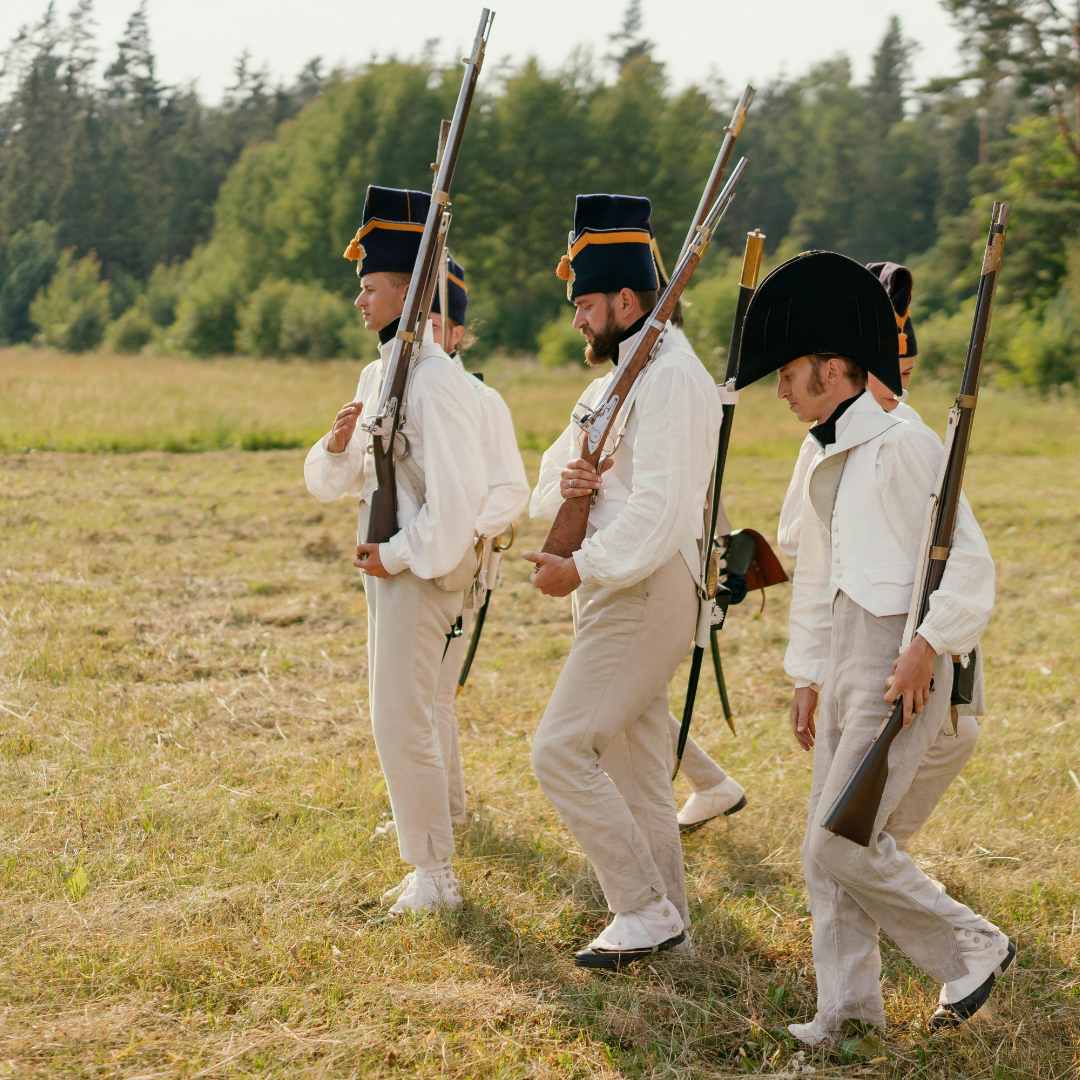
Allusions to war in the Andante?
“...my first independent composition was a Sonata for piano and cello, dedicated of course to Verzhbilovich. I wrote it in the summer and wanted to show it to him in the autumn but changed my mind. Later I timidly admitted that I had written a Sonata for piano and cello. When we had played the first movement he exclaimed, ‘What a surprising lady you are! How beautiful this is, and how it suites the cello!’ We continued with the Scherzo, then the elegiac and melodic Andante…..
….Lyadov pointed out some places that showed technical and compositional immaturity, especially in the Andante, where he suggested changing the middle section. He offered a few lessons to help with this. But my friends did not like this new version, so I published the Sonata without the changes.”
(Leokadiya Kashperova: Biography, ‘Memoirs’ and ‘Recollections of Anton Rubinstein’ by Graham Griffiths, p. 54)
The passages above are the only mention Kashperova makes, in her memoirs, about the third movement of her op. 1. Her description has been translated as the word “elegiac” (which can mean wistful or mournful). Other than that, we know her former composition professor didn’t like the middle section and helped her “correct” it, but that, in the end, she published it as she had written it.
This is fascinating to me, because I feel like there is just so much to “unpack” in the Andante. The piano starts with an octave leap that sounds like a call. Then the piano plays a melody harmonized vertically, note for note, in block chords, giving the sense of walking, the descending notes of the melody lending a sense of weariness. Separately, the cello takes up the octave leap, integrating it into a mournful lament floating above the weary footfalls in the piano.
The middle section of the Andante (that Lyadov wanted to correct) is no less intriguing. Marked “agitato” it introduces an emphatic, off beat rhythm, punctuated by silence. This evokes, for me, the crisp report of gun shots. The middle section draws to an end with a loud bass octave at bar 89 followed by walking 6ths in the bass off set by off beat octaves in the right hand, all of it a gradual diminuendo, giving a sense of a loud boom followed by reverberation. With all of the previous cues, my imagination can’t help but hear this as the boom of a canon.
Kashperova gives nothing away about where her musical ideas came from or what she was expressing, but it is difficult to spend time studying the details and not come away with a strong impression that she had something to say, and she said it with her music.